The Rich Traditions and Cultural Heritage of Sabong Games
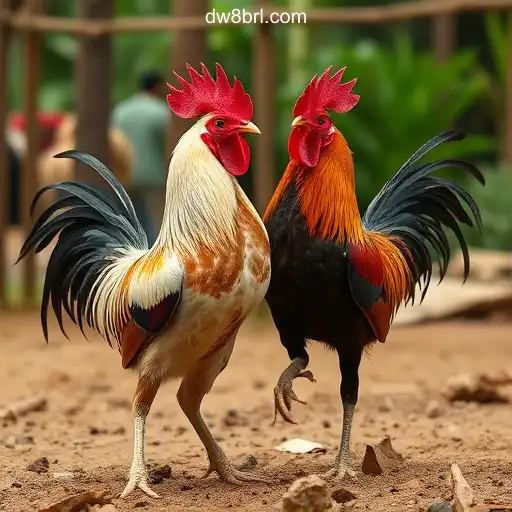
Sabong, known as cockfighting in English, holds a profound historical and cultural significance in many parts of the world, especially in Asia. This traditional sport, deep-rooted in cultures like those of the Philippines and Indonesia, showcases more than just a competition; it reflects a community's historical values and social gatherings.
In its essence, Sabong is a blood sport where two roosters are pitted against each other in an arena, often equipped with sharp spurs that heighten the stakes of the contest. Despite the controversies surrounding it, Sabong remains an integral part of many local cultures, celebrated for its traditional allure and community spirit.
The Historical Context of Sabong
The origins of cockfighting date back thousands of years. It is believed that the sport originated in the Indus Valley, gradually spreading to ancient Persia, Greece, and Rome, where it was embraced by warriors who admired the roosters' tenacity and fighting spirit.
As the sport evolved, it took on different forms and rules, adapting to the cultural mores of various societies. In Southeast Asia, particularly in the Philippines, Sabong gained immense popularity and continues to be a symbol of tradition and celebration. Here, Sabong is not merely a sport but also a pivotal part of religious and festive ceremonies.
Sabong Today: A Blend of Tradition and Modernization
In contemporary times, Sabong has adapted to the modern world while retaining its traditional essence. Although live cockfighting events remain prevalent in certain regions, the digitalization of Sabong has opened new avenues for enthusiasts and players.
Modern advancements have introduced Sabong to digital platforms and online arenas, allowing a wider audience to engage with the sport. Websites such as DW8 Oficial 💯️ - O melhor cassino online do Brasil have embraced this shift by integrating Sabong themes within their gaming portfolios, attracting both traditional followers and new generations of gamers.
Legal and Ethical Considerations
The traditional sport of Sabong is not without its detractors. Animal rights activists frequently criticize the sport for its inherent violence and the ethical implications of animal welfare. Consequently, many countries have instituted strict regulations or outright bans on cockfighting, sparking debates on cultural preservation versus animal rights.
In countries where Sabong is still practiced, it often operates under controlled conditions with strict oversight to ensure the fair treatment of the birds and mitigate animal cruelty. This delicate balance between tradition and modernization poses ongoing challenges for regulators and practitioners alike.
The Economic Impact of Sabong
Beyond its cultural significance, Sabong plays a crucial role in the economies of regions where it is prevalent. Major events attract tourists, offering benefits to local businesses and hospitality sectors. Moreover, the breeding and training of gamecocks contribute significantly to rural economies, with industries revolving around feed, training equipment, and arena maintenance.
The emergence of online Sabong platforms has further expanded economic opportunities. Platforms like DW8 Oficial 💯️ - O melhor cassino online do Brasil not only provide a virtual space for the sport but also generate revenue through digital betting and sponsorship agreements, integrating more seamlessly into the globalized market economy.
The Social Dynamics Surrounding Sabong
Sabong serves as a social glue, bringing together people of diverse backgrounds in celebration and anticipation of the sport’s outcome. These gatherings often transcend the sporting event, fostering community bonds through shared rituals, feasts, and storytelling.
This communal aspect of Sabong is particularly evident during major festivals and holidays, where entire communities converge in solidarity and enjoyment. Such events highlight the sport’s role as a unifying force and cultural cornerstone.
The Role of Women in Sabong
While traditionally male-dominated, the world of Sabong is gradually witnessing increased participation from women, who are assuming roles as spectators and, in some cases, bettors and event organizers. This change is indicative of shifting societal norms and the evolving perception of gender roles within various cultural contexts.
The Future of Sabong in a Rapidly Changing World
The journey of Sabong from ancient rituals to a burgeoning digital frontier exemplifies the adaptability of cultural practices. As it continues to evolve, the question remains about the future trajectory of this age-old sport.
The integration of technology, such as virtual and augmented reality, could further revolutionize Sabong, offering immersive experiences that transcend traditional boundaries. How platforms like DW8 Oficial 💯️ - O melhor cassino online do Brasil incorporate these advancements will shape the future of this enthralling game.
The potential for a more global presence remains vast, yet this ambition will require adherence to global norms concerning animal welfare and ethical practices. The balancing act will define the sustainability and integrity of this cultural treasure as it navigates modern landscapes.